THE SAPLUNA STORY
It all started with a desire to help others succeed
The roots of Sapluna go back to the 1990s. Our founder, Vesa Walden, has worked in events and project-based operations since 1994. Throughout his career, he has served as a producer, entrepreneur, educator, and developer across a wide variety of projects.
In the early years, the focus was on producing projects and developing personal expertise. Over time, however, this perspective changed. The focus gradually shifted toward helping customers, partners, and organizations achieve better results.
This change in thinking also led us into education. Vesa spent many years training event professionals through universities of applied sciences and various professional development programs. Alongside production work, this provided a unique window into how different organizations plan and execute projects.
The organizations were different, but their challenges were surprisingly similar. Talented people worked hard, yet projects often depended on the same key individuals. Information was scattered and ways of working varied significantly.
This sparked a deeper interest in understanding why projects function the way they do and how they could be improved through operating models rather than individual tools.

We Thought the Problem Was the Tools
During the 2000s, digital tools became increasingly common. Projects were managed through spreadsheets, emails, PowerPoint presentations, shared drives and disconnected systems.
Many event professionals designed site plans in PowerPoint, tracked work in Excel and coordinated teams through email chains. For a long time, we believed the problem was simply a lack of better tools. If we could build better tools, projects would perform better.
At the same time, another realization emerged. After years of producing events, delivering projects alone no longer felt enough. We wanted to create something more lasting. Something that would outlive individual projects and help the entire industry evolve. This idea led to the development of Opens in 2016.

Opens Was a Necessary Learning Journey
The first version of Opens was delivered to a pilot customer in 2017. Initially, we developed Open Venue for venues and later Open Event for event organizers. Interest was strong from the beginning, and over the years approximately 150 organizations purchased Opens.
The customer base was diverse, including venues, festivals, cities, congregations, event organizers and other project-driven organizations. Every customer taught us something. The most important lessons rarely came from what worked. They came from what did not.
When customers encountered challenges, they also told us how they believed things should work. This kept our development grounded in reality rather than theory.
Over the years, we learned more about project operations and organizational behavior than we ever could have learned inside a meeting room.

At the Same Time, We Learned from Our Own Mistakes
Opens was developed continuously based on customer feedback. Whenever new needs emerged, we responded. Whenever ideas appeared, we implemented them. Looking back, this became one of our most important learning experiences.
We developed new features faster than we developed the overall structure. Individual tools provided value, but the overall solution gradually became difficult to understand.
We were solving real problems, but we still lacked a clear understanding of what the complete solution should be.
Even though Opens never became the complete solution we envisioned, it taught us an enormous amount about what customers truly need and what they do not.
The Biggest Insight Was Unexpected
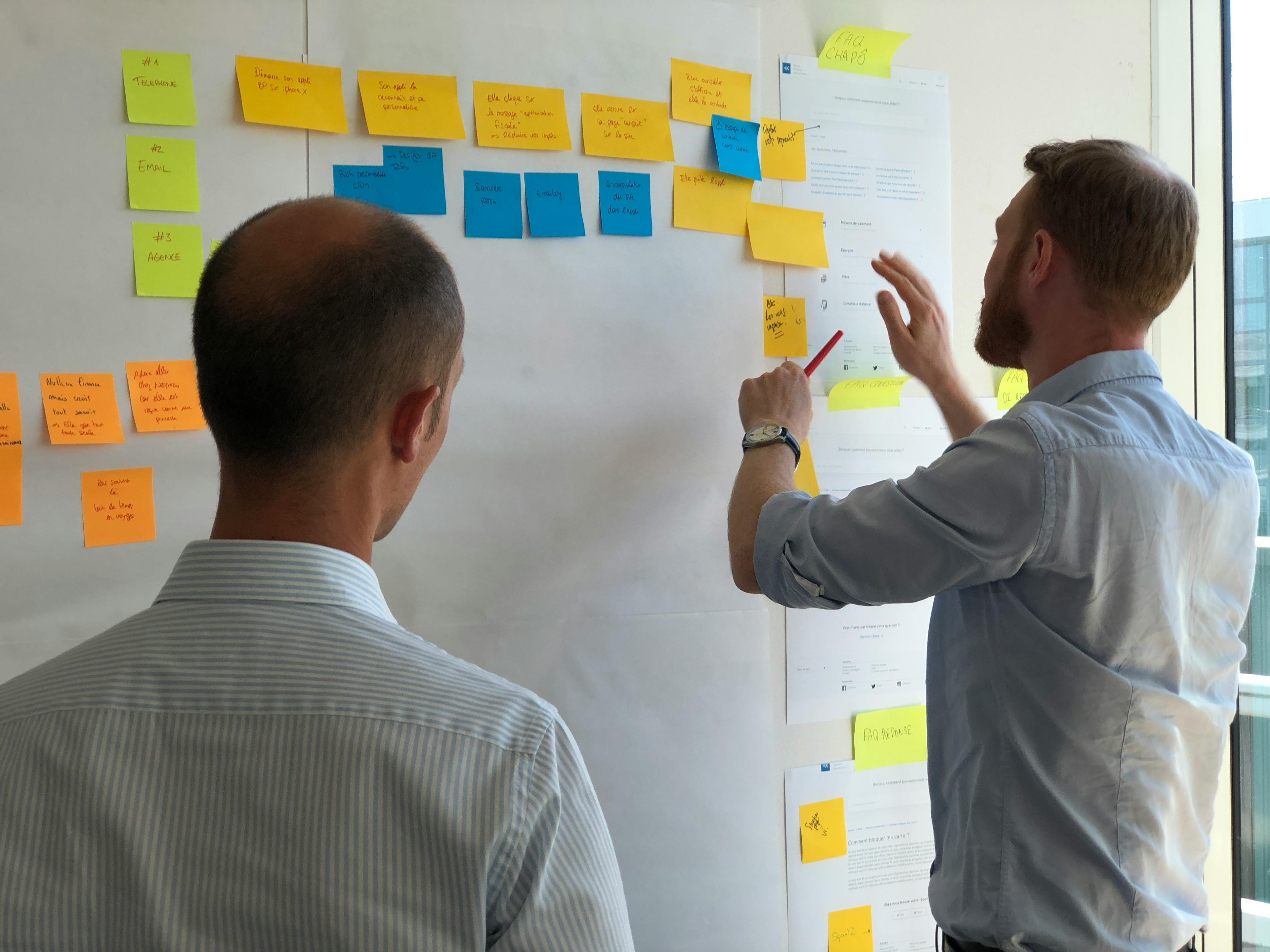
The more customers we worked with, the clearer one thing became. The real problem was not a lack of tools. The real problem was the lack of a shared operating model. Every organization had developed its own way of working.
Over time, operations had evolved piece by piece. Individual problems had been solved, but rarely had the entire operating model been designed as one coherent whole. Organizations relied on forms, spreadsheets, emails, folders and systems, each solving only part of the challenge. The overall picture was fragmented.
Many practices worked well within their limited scope. Information moved manually between systems, responsibilities remained dependent on individuals, and project execution relied on a collection of disconnected solutions.
The problem was not that organizations had solved things incorrectly. They had simply solved them only partially. These challenges became most visible when new people, partners or suppliers joined a project. Everyone had their own practices and assumptions about how work should be managed. Without a shared operating model, projects became person-dependent.
The consequences were familiar:
Over time, we realized that the problem was not a lack of information. The problem was that execution depended too heavily on individuals. This realization eventually became Sapluna's mission:
To transform temporary operations from individual effort into shared and predictable execution.

The Common Challenge of Culmination Projects
At the same time, we noticed that the same pattern repeated itself in a specific type of project. These projects shared one characteristic. They all had a clearly defined key moment.
This could be an event, exhibition, camp, trip, campaign, service delivery, or any temporary initiative measured by success at a specific point in time. Later, we began calling these culmination projects.
The industry could vary, but the challenges remained the same. Information was scattered, responsibilities were unclear, and success depended too heavily on individuals. We realized this was not an event industry problem. It was a structural challenge shared by culmination projects in every sector.
A Customer Helped Us See the Next Step
A major turning point came through discussions with SuomiAreena. The feedback was simple but eye-opening. While Opens offered an effective site planning tool, the real need was not site planning. The real need was process management.
Programme information was collected through forms, processed in different systems, shared through email and eventually published online. Every individual step worked. The overall process did not.
For the first time, we saw project information as a continuous flow rather than isolated tasks. Based on this insight, we built the first version of Sapluna to manage the programme process from beginning to end within a single environment.
The solution worked. But during development we discovered something even more important. The problem was not the programme process itself. It was only one part of a much larger picture.
The same logic applied to volunteers, safety, marketing, partnerships, sales and virtually every other area of a project. This was the moment when the core idea behind today's Sapluna was born.

A Project Is Not One Process
For years, we viewed projects as a single workflow. In reality, they are not. A project consists of multiple parallel pathways.
A single project may contain programme pathways, marketing pathways, safety pathways, volunteer pathways, partnership pathways, service pathways and many others.
Each pathway has its own rhythm, responsibilities, tasks and information. Yet all of them must reach the same key moment at exactly the right time. This became the foundation of Sapluna:
A project is built from pathways. Pathways create a roadmap. The roadmap guides project execution.
At the same time, we understood that the old technology could no longer support this vision. We needed a completely new foundation. A platform designed from the ground up around operating models, pathways and model-based production.
From a Tool to an Operating Model
This realization changed our thinking completely. We were no longer building software. We were building a new way to execute projects. Over time, this evolved into what we call the Model Production Method. At its core is a simple belief:
A successful project should not depend on an individual's memory, experience or personal working style.
Instead, it should rely on a shared operating model that anyone can learn, apply and pass on to the next person. Becoming a professional takes years.
Learning an operating model can happen much faster. That is why we believe the future of project execution lies in combining shared operating models, clear roles and technology.

Why Does Sapluna Exist?
Over more than thirty years, we have seen that people genuinely want to succeed. Most often, the problem is not motivation, expertise or commitment. The problem is the lack of a shared way of working together.
That is why Sapluna is not just software. It is a solution to a challenge shared by culmination projects everywhere. A solution that helps transform temporary operations from individual effort into shared and predictable execution. Because every great project concept deserves an operating model that matches its value.
Sapluna. We Create Project Harmony.